
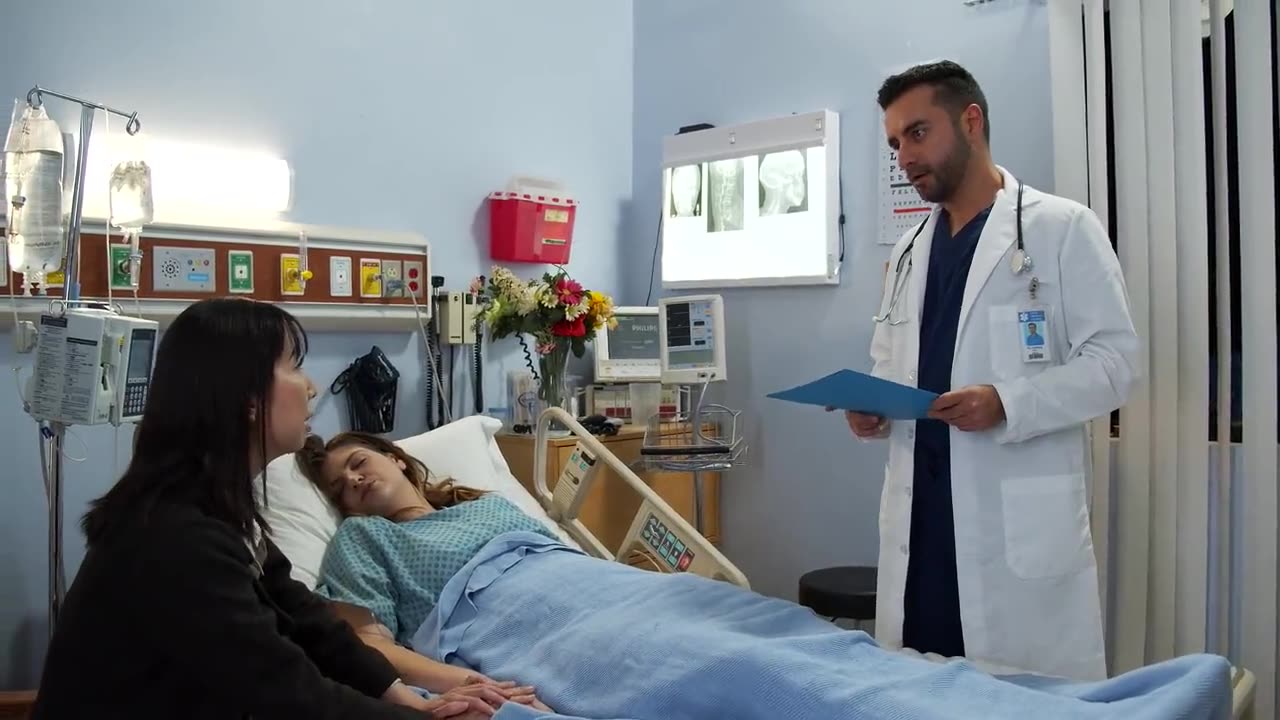
Inside the ICU room
The first time you walk into the room, it's filled with machines and loud noises. None of it was explained to you. To find out what each part of the room does, tap each of the numbered dots.
The first time you walk into the room, it's filled with machines and loud noises. None of it was explained to you. To find out what each part of the room does, tap each of the numbered dots.
The ventilator doing its work. A steady rhythm is a good sign.
Many beeps simply follow the heartbeat. Let the nurse know if an alarm keeps going.
Usually a bag running low. This is a routine fix the nurse can take care of quickly.
The mattress shifting on its own to protect the skin.
Knowing what to expect will help the room feel less frightening. All of this is normal.
During the day, machine sounds and voices from the hallway fill the room. By nighttime, most of these sounds have dropped to a hum. Most beeping is simply the machines talking to the nurses; it doesn't mean there's an emergency.
ICUs run cold by design, both for infection control and to protect the equipment. It's a good idea to bring a sweatshirt to keep yourself warm in the unit, and to ask the nurse for warm blankets for your person. The unit keeps a blanket warmer, and asking for warm blankets is normal.
Nurses check in every hour, and many other members of the team come and go all day. It may feel like a busy train station, but each member of the team has a role, and you can ask each one about their part in today's plan.
Whole hours can disappear in a waiting room, and a 5-minute procedure can feel like a day. Write down in your notebook what's happening and when it happens. Writing will help keep the days from blurring together.
During some procedures and during shift change, family members wait outside the room. Waiting outside doesn't mean anything bad has happened, and it isn't about you. Ask the nurse when would be a good time to come back, and use this time to eat a real meal.
The swelling and all the equipment may change how a person looks, and the first sight of it is hard, but it's still them. Talk to them like you always do; many patients can hear more than they can show.